Common drain jetting problems in Long Eaton
- ✓ Silt in low runs
- ✓ Grease build-up
- ✓ Scale in old pipes
- ✓ Fine roots

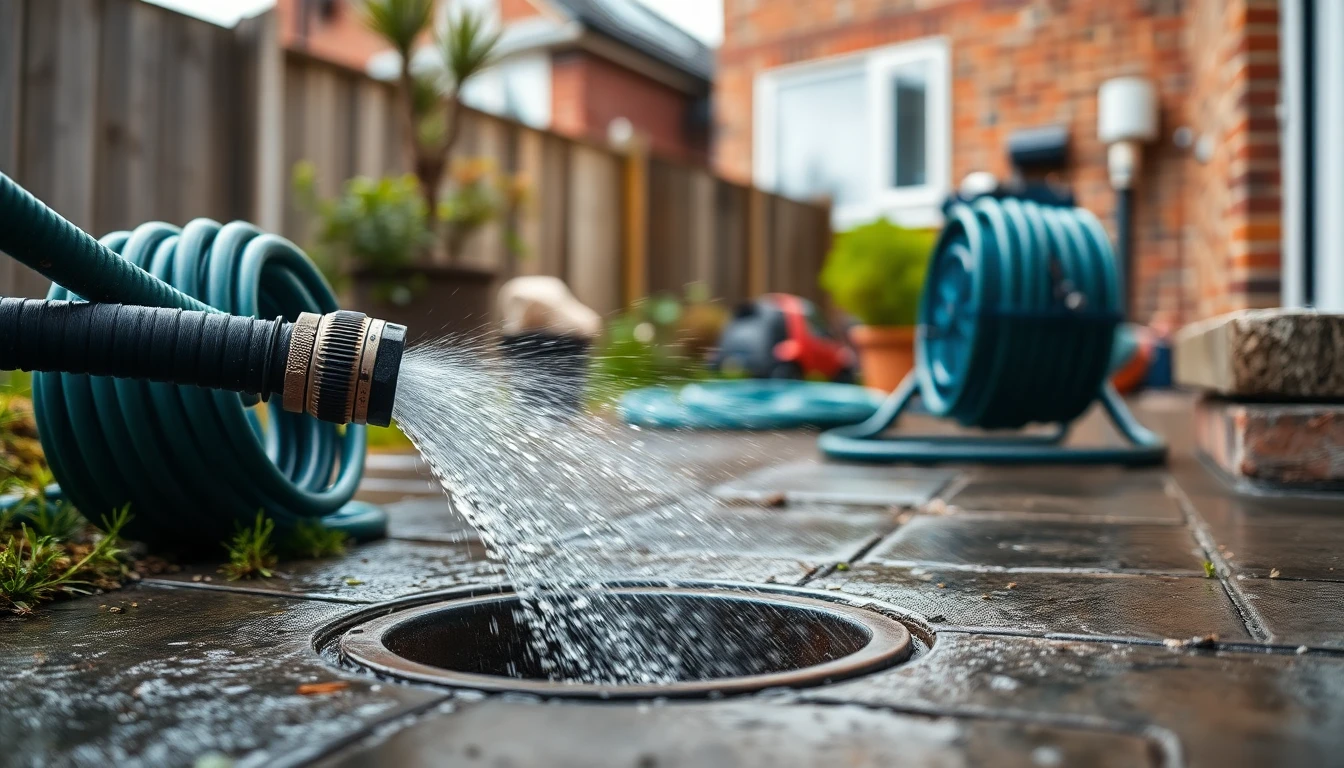
Jetting is useful where silt settles in low drains, as it can in Long Eaton, because flat pipes flow slowly. A strong water stream lifts that build-up and washes it away. It also cleans grease from kitchen runs.
We check the pipe size, the material and its condition. This tells us what pressure and nozzle will work, because old pipes need a gentle touch. We also ask what problems you have seen.
If it helps, we use a quick camera check to see where the build-up sits. That way, the jet goes where it is needed. It also shows if a crack makes jetting unwise, since high pressure can harm a broken pipe.
A rotating nozzle sends high-pressure water along the pipe. It scrubs the walls while it pushes loose waste along the run. We work slowly, since rushing can leave build-up behind.
We flush the line and look again if needed. Then we tell you how often a repeat clean might help. For some drains, however, a repair works better than more cleaning.
We pick a nozzle for your pipe, then jet along the run. We flush the waste clear and check the flow before we leave. Slow drains on low ground may need a regular clean. Ask us about it, because we can suggest a sensible gap between visits.
Yes, when the pressure suits the pipe. We check the pipe first, since old clay needs a gentler setting than modern plastic. If a pipe is cracked, we may advise a repair before jetting.
The price depends on the length of pipe and the amount of build-up. There is no call-out fee, and you get a fixed price before work starts. Regular cleaning usually costs less than clearing a full blockage, because it stops the build-up early.
It depends on the pipe and how you use it. Drains with grease, silt or tree roots may need a clean more often, while clear modern pipes need less. We can suggest a sensible gap when we see your drain.
These guides explain the basics, because knowing the cause helps you pick the right fix.