TL;DR
An outside drain that's overflowing, gurgling or backing up after rain is almost always caused by a blockage of leaves, silt, fat or root growth somewhere along the run, and in Nottingham's older streets, root ingress into Victorian clay pipe joints is one of the most common culprits. A couple of safe checks will tell you whether you're looking at debris sitting in the gully itself, which you can lift out by hand, or a blockage further along the run or in a shared drain, which needs an engineer. If water keeps rising in the manhole or the smell doesn't go away, request a fast, fixed-price quote online rather than letting it back up further.
The Warning Signs of a Blocked Outside Drain
Before a drain stops working completely, it usually gives some notice.
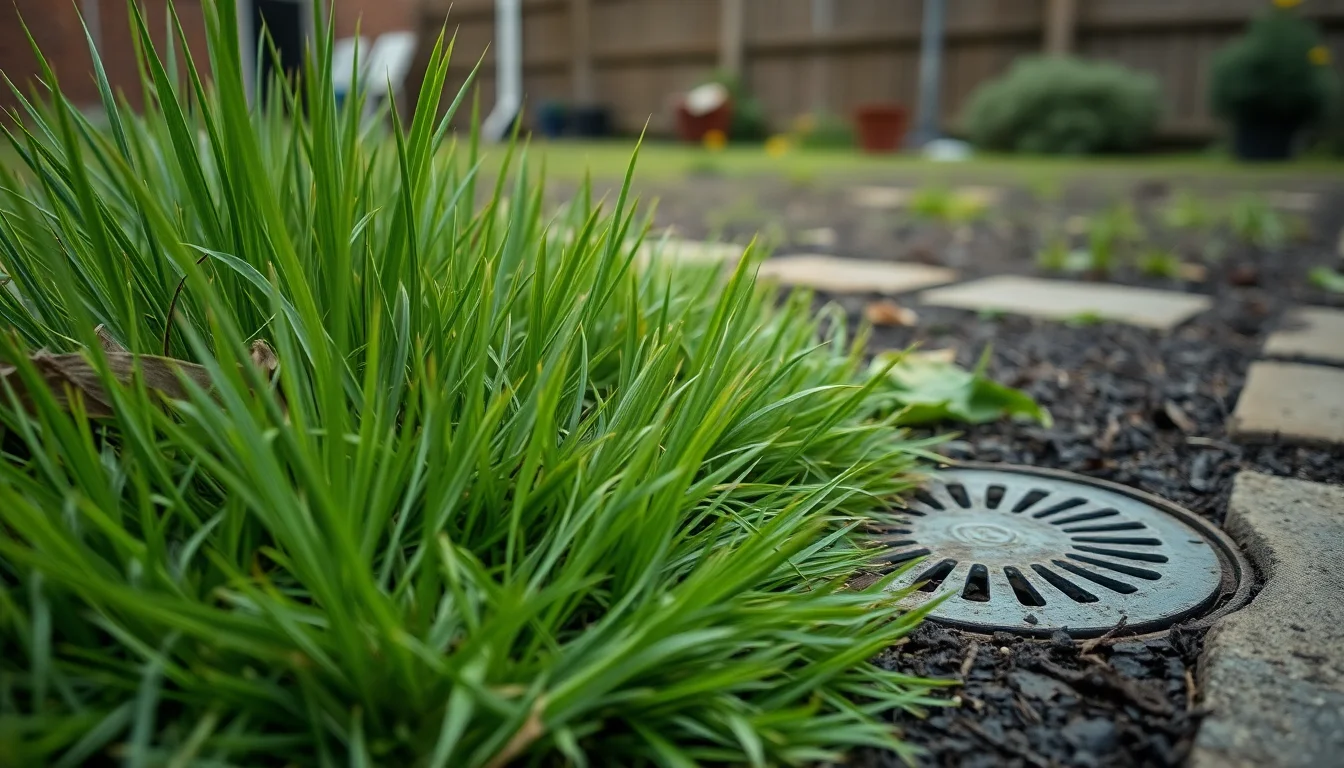
- Water pooling around a gully or manhole cover, especially after rain
- A gully that empties slowly instead of draining away quickly
- Gurgling from an internal waste pipe when an outside drain is under strain
- A persistent smell near a manhole or gully, even in dry weather
- Water level visibly rising inside an inspection chamber when you lift the cover
Any one of these on its own might be minor. Several together, or a problem that keeps recurring at the same spot, points to a genuine blockage building up rather than a one-off. Nottingham's surface water network ultimately drains towards the River Trent and the River Leen, and after sustained heavy rain the extra volume moving through gullies and pipes is often exactly when a partially blocked drain finally shows its symptoms.
Why External Drains Block in Nottingham
Outside drains take a different kind of abuse to internal pipework, and a few causes come up again and again across the city.
- **Leaves and garden debris.** Streets with mature trees, common across Sherwood, Mapperley and the leafier parts of West Bridgford, see gullies clog with leaf litter every autumn, especially where a gully sits under or near tree canopy.
- **Silt and grit washed in by rain.** Surface water carries grit and soil into gullies during heavy downpours, and it settles and compacts in the pipe over time if it isn't flushed through.
- **Fat, oil and grease from the kitchen.** Even where fat isn't poured straight down the sink, residue washed off pans and plates builds up along the drain wall and narrows the bore until other debris catches on it.
- **Root ingress at clay pipe joints.** This is the big one for Nottingham's Victorian housing stock. Older clay drain pipes were laid in short sections with joints every metre or so, and each joint is a potential weak point where tree and shrub roots can work their way in, particularly on tree-lined terraced streets in Lenton and Hyson Green.
Two Safe Checks Before You Call a Professional
If you can safely and hygienically lift the nearest manhole cover, two quick checks tell you a lot.
- **Where is the water sitting?** If the chamber nearest your house is full but the next one downstream towards the street is empty, the blockage is between the two, likely on your own pipework. If every chamber along the run is full, the blockage is further downstream, potentially in a shared or public section.
- **Is it just your property, or the whole street?** A blockage affecting only your drain is usually a private matter. If neighbours are reporting the same symptoms at the same time, it may be a shared lateral drain or an issue with the public sewer network, which Severn Trent Water is responsible for.
Don't attempt to clear a blockage by pouring chemical drain cleaner down an external gully repeatedly, and don't lift heavy manhole covers without care. Beyond a basic visual check, this is where a professional with the right equipment takes over.
When It's a Job for an Engineer, Not a DIY Fix
Root ingrowth, a collapsed section of pipe, or a blockage in a shared lateral drain all need more than a bag of drain rods. This is where drain jetting earns its place: it clears grease, silt and root growth from the full pipe wall rather than just pushing a path through the middle of the blockage, which matters if the drain has blocked at the same spot more than once. Our external drain unblocking service is built specifically around outside gullies, manholes and garden drainage runs, as distinct from work on internal waste pipes.
If you've noticed any of the early warning signs above and want to catch a problem before it turns into a full blockage, our guide to the signs of a blocked drain covers what to watch for across both internal and external pipework.
What to Do About a Blocked Outside Drain
In short: check where the water is sitting, note whether it's affecting just your property or the wider street, and avoid pouring chemicals down the drain repeatedly. If lifting leaves and visible debris out of the gully doesn't restore the flow, or the water keeps rising in the chamber, it's time to bring in a drain unblocking specialist who can clear the run properly and check for root ingress while they're there.
Get It Sorted Before It Gets Worse
A blocked outside drain rarely fixes itself, and on Nottingham's older clay drainage it often points to root growth that will keep coming back until it's cut out properly. Request a fast, fixed-price quote online and we'll get the drain flowing again. We also cover drain unblocking in Arnold and the surrounding suburbs, where the same Victorian-era clay pipework is just as common.